Every workplace has its own equipment, daily routines and operational requirements. When it’s time to relocate, those differences can influence how the move needs to be planned.
A medical clinic has different moving requirements than an engineering firm. Creative studios often rely on large or delicate equipment, while professional offices may need to manage confidential files and sensitive information. Industrial workplaces and training facilities bring their own challenges.
At DLO Move Support Services, we work with Vancouver businesses across a range of industries, adapting our moving approach to the equipment, spaces and schedules involved.
Here’s what businesses should consider when planning specialized workplace moves and how experienced office movers can support the process.
What Makes a Specialized Workplace Move Different?
Unlike a standard office relocation, specialized workplace moves often involve equipment or materials that require additional planning, handling or coordination.
This may include sensitive medical devices, oversized studio equipment, confidential records, industrial tools or technology used in classrooms and training facilities.
The physical move is only one part of the process. Businesses also need to consider how equipment will be prepared, where it needs to be placed and which professionals may need to be involved.
Identifying these requirements early gives moving teams time to review handling needs, coordinate with vendors and establish a realistic schedule.
For workplaces that need to remain operational throughout the transition, planning around daily activities can also help reduce disruption to employees, clients and customers.
How Do You Plan a Move for Healthcare and Medical Clinics?
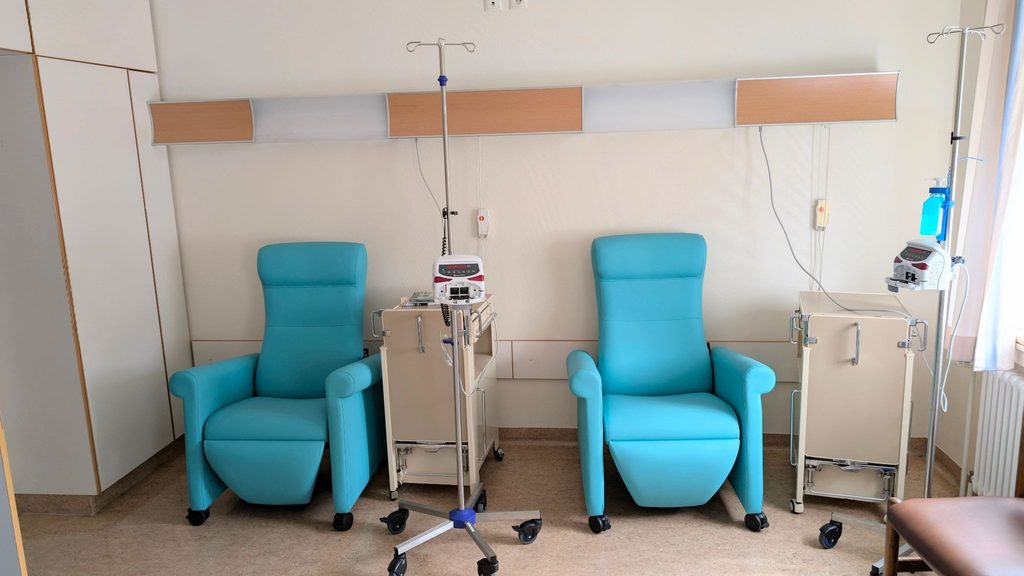
Healthcare environments rely on equipment that is both valuable and highly sensitive.
Dental chairs, imaging systems, diagnostic devices and refrigeration units may require careful handling and specific placement within the new facility.
Unlike a traditional office, the layout of a medical clinic is often closely connected to how treatment rooms, examination areas and administrative spaces function.
Before relocating, healthcare organizations should review their equipment requirements, confirm room layouts and identify any items that require assistance from qualified professionals or specialized vendors.
Patient schedules also need to be considered. Depending on the clinic’s operations, moving activities may need to be coordinated around appointments or periods when treatment areas are unavailable.
At DLO, we work with clinic staff and relevant specialists to coordinate equipment transportation, room placement and moving schedules.
For organizations requiring additional oversight, our optional Move Coordination services can help organize the different stages of the relocation.
What Moving Challenges Do Creative and Technical Studios Face?
Creative and technical workplaces often contain equipment that is difficult to move using standard office moving methods.
Architecture firms, engineering companies, photography studios and production spaces may rely on items such as:
- Large-format printers and plotters
- Drafting tables and layout surfaces
- Photography and studio lighting equipment
- Audio and video production systems
- Oversized or delicate technical equipment
Many of these items are both heavy and fragile, making protective handling particularly important.
Moving teams need to consider equipment dimensions, building access and the space available to manoeuvre large items through hallways, elevators and doorways.
DLO uses protective packing methods, specialty carts and experienced moving crews to help transport these items.
When equipment requires specific certifications or handling procedures, we can coordinate with qualified contractors as part of the relocation.
DLO also offers corporate office moving services, including Packless Moves that can support packing, unpacking, computer and equipment disconnection and reconnection, and furniture installation.
Coordinating these activities can reduce the time creative teams spend managing moving logistics and help them return to their regular work sooner.
How Can Businesses Protect Confidential Materials During a Move?
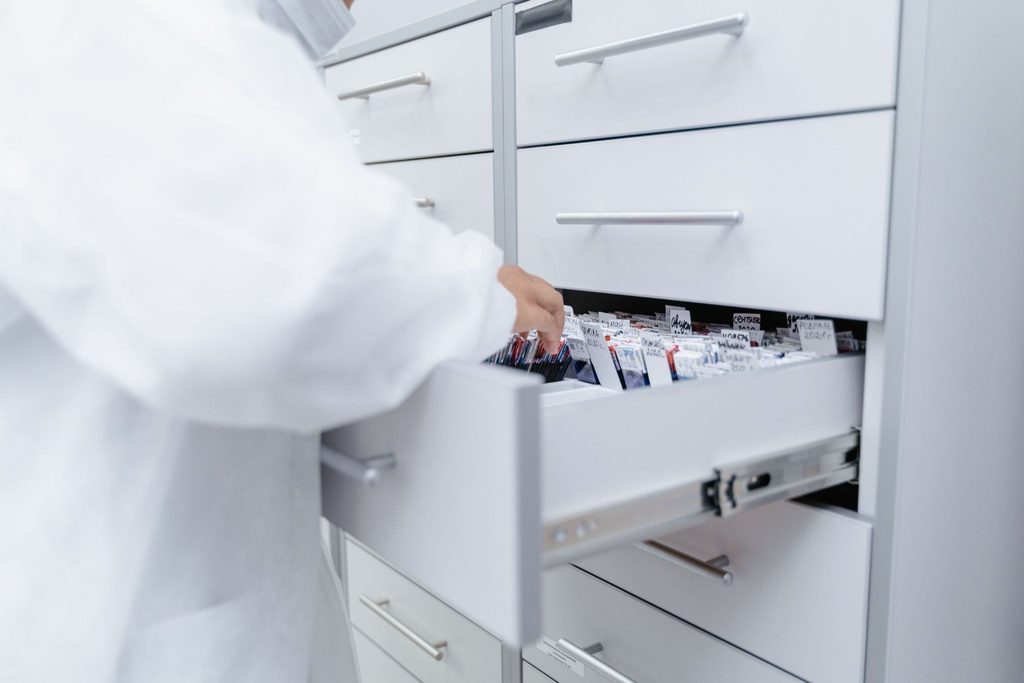
For law firms, financial organizations, insurance companies and government offices, protecting confidential information is an important part of the moving process.
These workplaces may need to relocate large quantities of files, records, secure storage cabinets and equipment containing sensitive information.
Maintaining organization throughout the move helps businesses account for their materials and ensure they arrive in the correct locations.
Before relocating, organizations should review how confidential documents and equipment will be identified, packed, transported and placed in the new office.
Clear labelling and inventory systems can support this process, while appropriate handling procedures should be established for sensitive materials.
DLO’s corporate moving services include the organized relocation of files, archives and libraries, with attention to order, integrity and confidentiality.
By planning these requirements in advance, businesses can reduce confusion during the transition and maintain better control over important records and equipment.
What Should Industrial and Light Manufacturing Workplaces Consider?
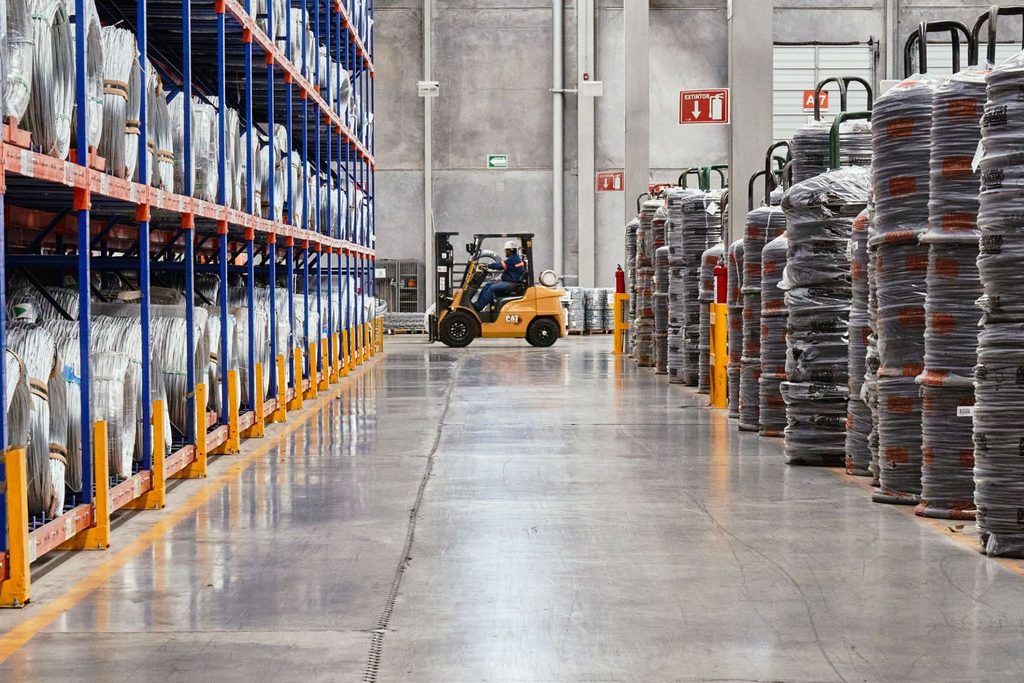
Industrial and light manufacturing workplaces often combine traditional office areas with equipment, tools and storage that require additional coordination.
These environments may include oversized items, machinery or specialized equipment that cannot be handled in the same way as desks and office furniture.
Moving plans may also need to account for loading areas, floor protection, access restrictions and production schedules.
Before moving, businesses should identify which items can be handled by the moving crew and which require assistance from equipment vendors or qualified professionals.
For example, leased photocopy equipment may need to be relocated by the equipment provider. Certain hazardous materials also require specialized training and certification for safe transportation.
These requirements should be confirmed early so the appropriate contractors can be included in the moving schedule.
DLO works alongside on-site teams and external vendors to coordinate equipment handling and transportation where appropriate.
For businesses operating around production schedules, planning moving activities in stages may help limit interruptions.
How Can Education and Training Facilities Prepare for a Move?
Schools, tutoring centres and specialized training facilities often have limited opportunities to relocate without affecting daily activities.
Moving may need to take place between semesters, during academic breaks or outside regular instructional hours.
These environments also require careful organization, particularly when multiple classrooms, computer labs and training areas need to be reassembled.
Before moving, educational organizations should review classroom layouts, identify equipment requirements and establish a plan for organizing learning materials.
This may involve:
- Coordinating moving schedules around instructional hours
- Labelling furniture and equipment by classroom or department
- Preparing computer labs and audiovisual equipment for relocation
- Recreating classroom and training room layouts
- Organizing learning materials for efficient unpacking
DLO helps coordinate the movement and placement of classroom furniture, technology and other equipment so learning spaces can be prepared for use at the new location.
When multiple rooms or departments are involved, a clear floor plan and labelling system can make the process easier to manage.
Why Is Coordination Important for Specialized Workplace Moves?

Specialized workplace moves often involve more than a moving crew.
Depending on the industry, businesses may need to coordinate equipment technicians, IT vendors, qualified professionals, building management and internal department leaders.
Some equipment cannot be moved until it has been properly prepared by a specialist. Other items may need to be installed or positioned before employees can resume their regular work.
Without a clear schedule, these overlapping responsibilities can create delays.
Businesses can choose to engage a dedicated DLO Move Coordinator for additional planning and project management support.
A Move Coordinator acts as a central point of communication, helping organize timelines, vendor requirements, building access and the sequence of moving activities.
This can be particularly useful when equipment requires specialized handling or when different departments need to relocate at separate times.
How Can Businesses Minimize Disruption During a Complex Office Move?
Every workplace has different priorities when it comes to maintaining operations during a relocation.
For healthcare organizations, this may mean planning around patient appointments. For industrial businesses, production schedules may influence when equipment can be moved. Schools and training facilities may need to work within academic calendars.
Understanding these requirements early helps determine the most practical moving schedule.
Depending on the project, businesses may benefit from phased moves, after-hours activities or coordinating equipment installation before employees return to the space.
Reviewing the new floor plan and confirming where specialized equipment will be placed can also help avoid delays on moving day.
The goal is to plan the relocation around the needs of the workplace, rather than expecting every business to follow the same moving schedule.
How DLO Supports Specialized Workplace Moves Across Vancouver
DLO Move Support Services works with businesses throughout Vancouver and the Lower Mainland to manage corporate relocations, internal moves and specialized workplace transitions.
Our approach begins with understanding the equipment, operational needs and logistical requirements involved in each project.
Through our office moving services, we can assist with the physical relocation of furniture, equipment, files and workplace contents, while coordinating with specialized contractors when required.
For organizations that need additional support, our optional Move Coordinator service helps manage timelines, vendor communication and moving logistics.
Whether you’re relocating a medical clinic, creative studio, professional office, industrial workplace or training facility, our goal is to help make the transition organized and manageable.
Planning a Specialized Workplace Move in Vancouver?
Specialized workplace moves require careful preparation, particularly when equipment, sensitive materials or operational schedules need additional attention.
Identifying these requirements early and working with experienced office movers can help businesses plan a relocation that suits their workplace.
Preparing for a complex office move in Vancouver or the Lower Mainland? Contact DLO Move Support Services to discuss your moving requirements and learn how our team can support your next transition.