Workplace needs change as businesses grow, teams evolve and the way employees use office space shifts. For some Vancouver organizations, that means relocating to a larger office. For others, it may involve renovating their current workplace or reconfiguring an existing layout to make better use of the space.
Whether you’re moving or reorganizing your current space, careful planning makes the transition easier to manage. This includes understanding how your team works, reviewing your workplace requirements and coordinating the moving process around daily operations.
With the right approach to office reconfiguration and move planning, businesses can create a more functional workplace while keeping disruption to a minimum.
When Should You Consider an Office Reconfiguration?
Not every workplace change requires relocating to a new building.
As teams expand, departments shift or hybrid work arrangements evolve, an existing office layout may no longer support how employees use the space.
An office reconfiguration gives businesses an opportunity to reassess their current setup and make adjustments that better reflect their needs.
This might involve:
- Rearranging workstations to accommodate additional employees
- Creating more collaborative or flexible work areas
- Reorganizing departmental layouts
- Reducing underused storage and unnecessary furniture
- Preparing sections of the office for renovations or tenant improvements
Sometimes, rearranging workstations or removing unused furniture is enough to make a space work better. The key is understanding what needs to change before moving furniture or making adjustments to the layout.
Professional office reconfiguration services can help businesses manage these physical changes while keeping the process aligned with their day-to-day operations.
How Can You Plan a Workplace That Supports Productivity?
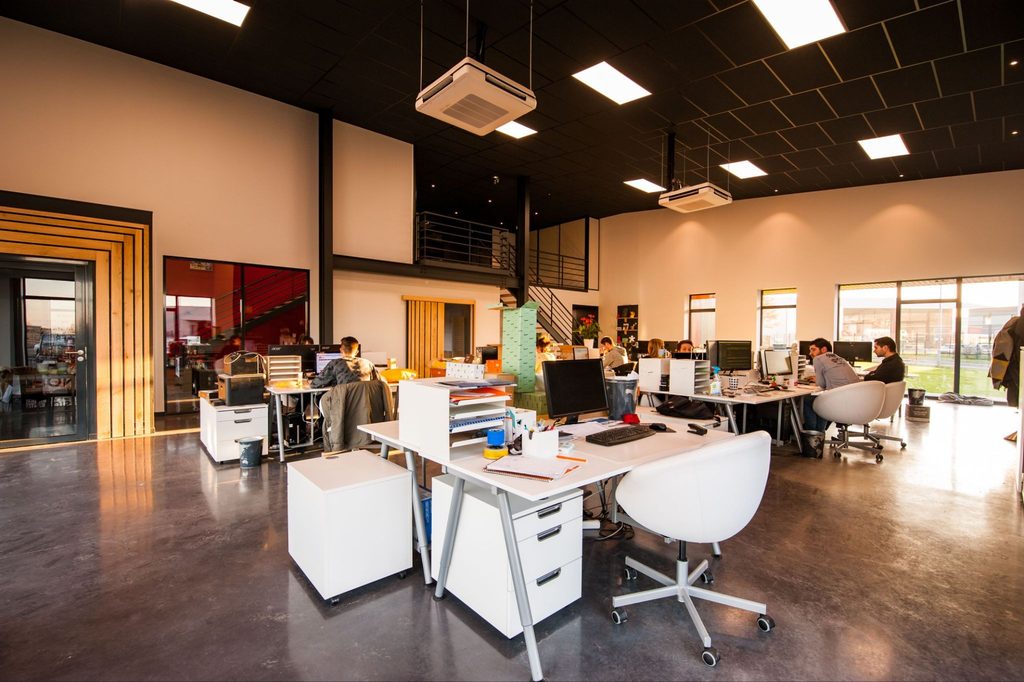
Before planning a new office layout, consider how your employees use the workplace today.
Some teams may need quiet areas for focused work, while others benefit from collaborative spaces or easier access to shared resources. Hybrid schedules can also influence how many permanent workstations are required.
A thoughtful workplace layout may include ergonomic workstations, natural light, quiet zones, flexible meeting areas and clear pathways between shared spaces.
For businesses planning an office move or internal reconfiguration, reviewing these requirements early can help avoid recreating a layout that no longer works for the team.
Furniture and equipment placement should also be considered alongside technology requirements. Meeting rooms, shared workspaces and individual workstations may require coordination with IT and AV vendors to ensure everything is positioned and connected appropriately.
At DLO Move Support Services, our team helps businesses implement finalized workplace layouts by moving and configuring furniture and coordinating installations as part of the transition.
What Should Growing Businesses Consider Before Moving?
Business growth often brings additional workplace requirements.
Expanding teams may need more workstations, additional meeting rooms, new technology or a larger commercial space. Whether an organization is opening another office or relocating its headquarters, these changes require careful coordination.
Before moving, businesses should review their new floor plan, identify equipment that requires special handling and establish a realistic schedule for the transition.
Clear labelling systems are particularly important when multiple departments, workstations and technology setups are involved. They help ensure furniture and equipment are moved to their intended locations.
For growing businesses in Vancouver, building logistics also need to be considered. Elevator reservations, loading zones, building access requirements and downtown traffic conditions can influence when and how a move takes place.
Planning these details in advance can help reduce delays and allow employees to return to their regular responsibilities sooner.
How Can Office Movers Support Renovations and Internal Moves?
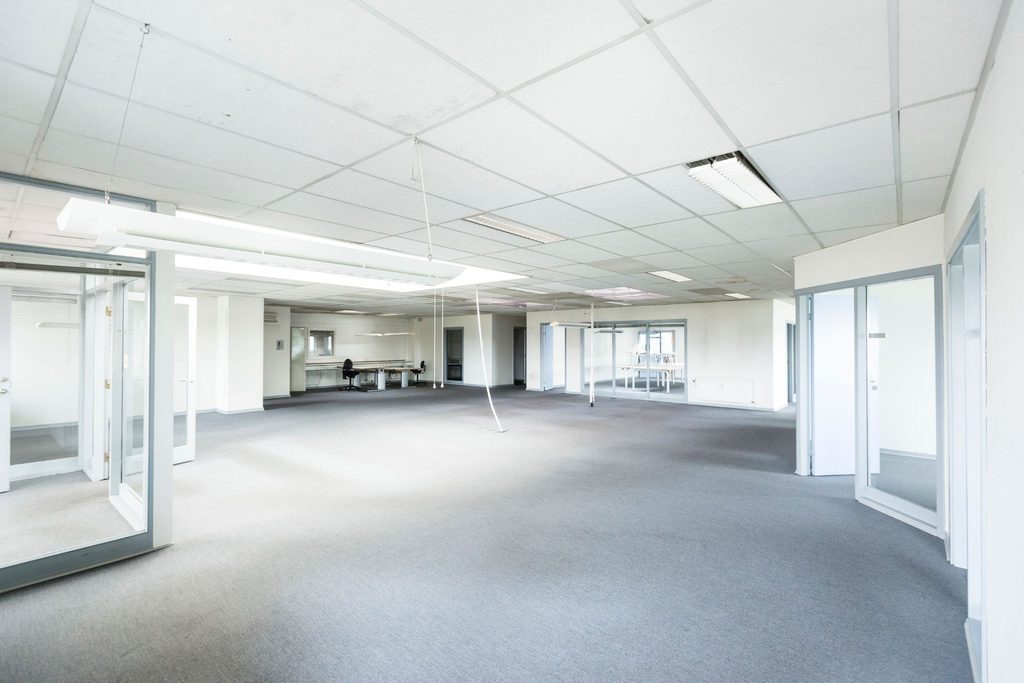
Office renovations often require the same level of logistical planning as a full relocation.
Before construction begins, furniture, equipment, files and technology may need to be moved, protected or temporarily stored. Contractors need access to work areas, while employees may still require functional spaces to complete their work.
In some cases, businesses may need to temporarily relocate employees or equipment during renovations. This process is known as decanting.
A full decant involves clearing an entire office or floor, while a partial or phased decant allows different departments or areas to move as construction progresses.
Phased renovations can help businesses maintain operations by keeping certain areas functional while work takes place elsewhere.
Professional Vancouver office movers can support this process by coordinating furniture and equipment moves with construction schedules, building requirements and departmental needs.
At DLO, our team works with contractors and building management to help sequence these activities and reduce disruption throughout the renovation.
How Can Businesses Minimize Downtime During Workplace Transitions?
Whether you’re relocating, expanding or reconfiguring an existing office, maintaining productivity is often one of the biggest priorities.
A poorly coordinated transition can leave employees managing moving tasks alongside their regular responsibilities or working around areas that are temporarily unavailable.
One way to reduce disruption is to plan the transition in stages.
Depending on the project, this may involve moving departments separately, scheduling certain activities outside regular business hours or coordinating furniture and technology installations before employees return to the space.
Detailed floor plans, clear labelling systems and coordinated workstation setups also help ensure furniture and equipment arrive in the correct locations.
When each stage is planned around the needs of the business, employees can continue much of their regular work while the workplace changes take place.
What Does an Office Move Coordinator Do?

Workplace transitions often involve several moving parts, including internal teams, contractors, technology vendors and building management.
For organizations managing a larger or more complex project, coordinating these responsibilities internally can become time-consuming.
Businesses can choose to engage a dedicated DLO Move Coordinator for additional project management support.
A Move Coordinator acts as a central point of communication, helping organize the different stages of the transition.
Depending on the project, this can include developing a master schedule, coordinating vendor timelines, managing building access requirements and helping sequence furniture moves and technology installations.
For phased renovations or reconfigurations, this coordination can be especially valuable when different departments need to remain operational throughout the project.
A dedicated point of contact can make it easier to coordinate vendors, schedules and internal teams without placing additional responsibilities on employees.
How Can Storage Management Support a Workplace Reconfiguration?
Not every piece of furniture or equipment needs to remain in the office throughout a transition.
Businesses completing phased renovations, expanding into new spaces or adjusting their existing layouts may need temporary storage for workstations, surplus furniture or other office assets.
DLO’s storage management services provide additional flexibility during these projects.
With 25,000 square feet of storage space in Vancouver, DLO can support businesses that need to temporarily store furniture and equipment while construction or workplace changes are completed.
Storage can also help keep active work areas clear of unnecessary items, allowing employees and contractors to use the available space more effectively.
For businesses managing a transition in stages, having a storage plan in place can make the overall process easier to coordinate.
What Should You Do With Furniture You No Longer Need?
Reconfiguring an office is also an opportunity to evaluate which furniture, equipment and other assets are still useful.
As workplaces become more flexible, businesses may find they no longer need certain desks, chairs, storage units or other items.
Rather than moving everything into the new layout, consider what should be retained, repurposed, recycled or removed.
DLO offers office furniture repurposing and recycling services to help businesses manage unwanted furniture responsibly and reduce unnecessary landfill waste whenever possible.
Addressing these decisions before the transition can also help reduce clutter and make better use of the available workspace.
How DLO Move Support Helps Businesses Navigate Workplace Changes
Moving, growing or reconfiguring a workplace involves decisions that affect employees, operations and the way a business uses its space.
DLO Move Support Services works with businesses throughout Vancouver and the Lower Mainland to support corporate office moves, internal reconfigurations and renovation-related transitions.
Our team can assist with the physical relocation of furniture and equipment, workstation configurations, temporary storage and furniture removal. For businesses requiring additional oversight, our optional Move Coordinator service provides support with project planning, vendor communication and scheduling.
Whether you’re moving to a larger office or making better use of the space you already have, DLO can help manage the practical details so your team can stay focused on their work.
Planning a Workplace Transition in Vancouver?
Whether you’re expanding, renovating or reconfiguring, the goal is to make your workspace work better for your team.
Understanding your workplace requirements, planning the different stages of the project and coordinating moving logistics early can make the process more manageable.
Considering an office reconfiguration, renovation or relocation in Vancouver or the Lower Mainland? Contact DLO Move Support Services to learn how our corporate moving and office reconfiguration services can support your next workplace transition.