Relocating, downsizing or refreshing an office in Metro Vancouver comes with a long list of decisions. One that can easily get overlooked? What to do with all the office furniture you no longer need.
Desks, office chairs, cubicles, filing cabinets and storage systems can quickly add up during a commercial move. While sending unwanted furniture straight to disposal might seem like the easiest solution, many pieces still have plenty of life or value left in them.
With a thoughtful approach to office furniture repurposing and recycling, businesses can reduce unnecessary waste, find new uses for existing assets and make their office move more sustainable from the start.
DLO Move Support helps businesses across Vancouver and the Lower Mainland manage the entire process, from pre-move decluttering and furniture reconfiguration to donation, recycling and responsible disposal.
Why Does Office Furniture Recycling Matter During a Move?
An office move is one of the best opportunities to take stock of what your business actually needs.
Instead of packing every desk, chair and cabinet simply because it’s already there, businesses can use the transition to determine what should move, what could be repurposed and what has reached the end of its useful life.
Choosing eco-friendly office furniture disposal can help keep usable furniture and recyclable materials out of the waste stream while making the overall relocation more efficient.
A thoughtful office recycling solution can help your business:
- Reduce the amount of office furniture sent to landfill
- Give usable desks, chairs and storage a second life
- Identify materials that may be suitable for recycling
- Reduce unnecessary moving and disposal costs
- Support corporate sustainability and ESG initiatives
- Create opportunities to donate furniture within the local community
Rather than treating every unwanted piece as waste, the goal is to find the best next use for each item.
How Should You Prepare Your Office Furniture for a Move?
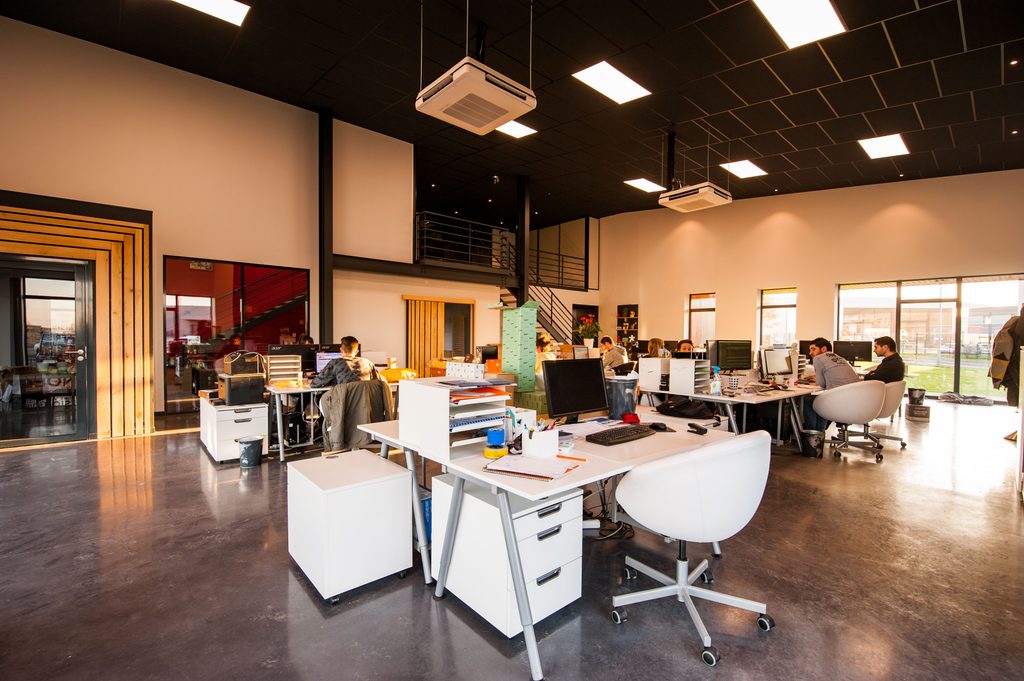
Before the moving trucks arrive, take a good look at what’s currently filling your workplace.
A pre-move furniture audit gives your team a chance to decide what is actually worth bringing into the new space. Think of it as a workplace spring clean, with a little more strategy behind it.
Start by separating assets into four categories: keep, reconfigure, donate and recycle.
What Should Stay and What Should Go?
Ask a few practical questions as you work through your office:
- Is the furniture still functional and in good condition?
- Does it suit the way our team works today?
- Will it fit within the new office layout?
- Could it be reconfigured or used somewhere else?
- Could I resell it or donate the item?
- If it can no longer be used, can any of its materials be recycled?
Making these decisions well in advance to your moving day can mean fewer items to pack, load, transport, and reinstall.
It also prevents one of the most common office-moving headaches: paying to move something only to realize there’s nowhere for it to go. If this feels overwhelming or overly time-consuming to you, you can always reach out to one of our professional Move Coordinators, who can streamline and support you with this part of your office move process.
How to Work your Existing Office Furniture into Your New Office Space
A new office doesn’t always mean the financial obligations of new furniture.
One of the easiest ways to make an office relocation more sustainable is to repurpose before you replace.
Desks, workstations, storage systems and other commercial furniture may be able to be dismantled and reconfigured for a completely different floor plan. Pieces can also be relocated to different departments or given a new function within the workplace.
Before purchasing an entirely new furniture package, consider what your business already owns.
Reusing existing office furniture can help reduce purchasing costs and the environmental impact associated with manufacturing, packaging and transporting new products. It can also leave more room in your relocation budget for upgrades that truly need to be made.
What Happens to Old Office Chairs, Desks and Cubicles?

Once you’ve identified the furniture that won’t be making the move, the next question is where it should go.
There isn’t one answer for every piece. Depending on its age, condition, construction and potential value, unwanted office furniture may be suitable for resale, donation, repurposing or recycling.
1. Resell Furniture That Still Has Value
Quality commercial furniture may still have value even if it no longer works for your business.
Modern modular systems, ergonomic office chairs, desks and other furnishings can be assessed to determine whether resale or liquidation is an option. This helps extend the useful life of existing furniture while potentially recovering some value from assets your business no longer needs.
2. Donate Furniture That Can Be Used Again
A table that doesn’t fit your new boardroom could be exactly what another organization needs.
Where appropriate, functional desks, chairs, tables, cabinets and other furnishings may be suitable for donation to local charities, non-profits or community organizations.
It’s a simple way to keep usable furniture in circulation while creating value beyond your own workplace.
3. Break Down Furniture for Recycling
If a piece has truly reached the end of its usable life, the next step is determining what can be responsibly recycled.
Commercial furniture often combines several different materials into a single product. Depending on the item and available recycling streams, furniture may need to be dismantled so materials such as metals and certain plastics can be separated and processed appropriately.
How Does Office Chair Recycling Work?
Office chairs deserve a little extra attention.
Unlike a basic wooden desk or metal filing cabinet, the average task chair can contain steel or aluminum, plastics, fabric, foam, castors and a pneumatic cylinder.
That mixed construction makes office chair recycling more complicated than simply dropping the whole chair into a recycling bin.
Where recycling options are available, chairs may need to be disassembled so recyclable components can be separated from materials that require different handling.
For businesses replacing dozens or even hundreds of chairs at once, for example, during a large corporate office move, having a coordinated office furniture recycling plan can make a significant difference.
Could Older Furniture Be the Perfect Fit for Your New Office?
Not every office upgrade needs to involve something brand new.
High-quality older, vintage and antique furniture can add warmth and character to a modern workplace while keeping well-made pieces in use for longer.
A solid wood conference table could become the focal point of a meeting room. A vintage credenza could bring personality to reception. A beautifully made older cabinet might offer exactly the storage you need without purchasing something new.
The Benefits of Repurposing Vintage Office Furniture
Quality that lasts: Well-made solid wood furniture can remain functional for decades with proper care.
More personality: Vintage and antique pieces can help create an office that feels considered and unique rather than overly standardized. A more circular approach: Extending the lifespan of existing furniture reduces the need to immediately replace it with newly manufactured products.
For Vancouver businesses creating warmer, more welcoming workplaces, mixing existing character pieces with modern ergonomic furniture can offer the best of both worlds.
How Can You Make an Office Move More Sustainable?
A sustainable office relocation doesn’t have to make your move more complicated. In many cases, planning ahead actually makes the process easier.
The key is to start making furniture decisions well before moving day.
Inventory what you own. Identify what will work in the new space. Explore opportunities to reconfigure existing furniture. Find new homes for usable items. Then create a responsible plan for anything that truly can’t be used again.
The earlier you start, the more options you’ll have.
How DLO Move Support Simplifies Office Furniture Repurposing and Recycling
Managing an office relocation is already a major project. Coordinating what happens to every unwanted desk, chair and workstation can quickly become another job in itself.
That’s where DLO Move Support comes in.
DLO helps businesses across Metro Vancouver and the Lower Mainland coordinate their workplace transitions, including:
- Pre-move decluttering and asset planning
- Office furniture inventory and assessment
- Furniture disassembly and reinstallation
- Modular furniture reconfiguration
- Furniture repurposing
- Donation coordination
- Office furniture recycling and responsible disposal
Instead of dealing with multiple moving parts on your own, your furniture strategy can become part of the larger relocation plan.
When Should You Plan an Office Move in Metro Vancouver? Start Early.
The best time to decide what happens to unwanted office furniture isn’t moving day.
Starting your furniture assessment early gives your business more time to identify what can be reused, explore reconfiguration opportunities, coordinate donations and arrange responsible recycling for what remains.
Most importantly, it can help ensure you’re only paying to move the things your business actually needs.
Whether you’re relocating, downsizing or simply giving your workplace a much-needed refresh, office furniture repurposing and recycling can turn an office cleanout into an opportunity to reduce waste and make smarter use of the assets you already have.
Planning an office move in Vancouver or the Lower Mainland? Connect with DLO Move Support to create a smarter, more sustainable plan for your workplace transition.